The Broward County case search portal provides public access to court case records from the Broward County court system. Broward County, FL, case search displays civil, criminal, and traffic matters in one place. It pulls data from the official court system database maintained by the county courts. Users can view case status, filings, and hearing dates. The system supports quick review of public legal activity. It reflects updates from ongoing court proceedings in real time. Records include both historical and current case entries. This supports clear case tracking across multiple court divisions.
Broward County, FL, court case search connects directly with the court database for legal records. It works as a case lookup system for party names, case numbers, and docket details. Public legal records show updates from different court divisions. Search results reflect official filings and scheduled hearings. This setup improves visibility of case information across Broward County courts. It helps users identify case progress through structured legal records. The court database organizes data for faster case reference. Each record follows a standardized court reporting format.
What Is Broward County Case Search?
Broward County Case Search is a case search system that organizes and displays court records that Broward residents may reference for legal matters. It compiles judicial records, case filing system data, and legal documentation from different court levels into one searchable database. This system helps users view case details across criminal, civil, traffic, and family matters in a structured format.
What the Broward County Case Search Means
The case search system works as a digital record index connected to Broward County courts. It stores information tied to filings, hearings, and case outcomes. Each record comes from official judicial records created during court procedures.
The system usually reflects:
- Case numbers linked to filings
- Party names involved in cases
- Filing dates and updates
- Court location and assigned division
- Case status updates
It acts as a central point for reviewing court records Broward maintains across multiple departments.
Types of Cases Included in the System
The case search system covers different categories of legal matters. Each category reflects a specific type of legal documentation handled by Broward County courts.
Common case types include:
- Criminal cases
These involve arrests, charges, and court proceedings related to alleged offenses. Records may show charges, bond details, and hearing schedules. - Civil cases
These include disputes between people or organizations. Examples include property disputes, contract issues, and financial claims. - Traffic cases
These cases involve driving violations such as speeding tickets, license issues, and citations issued by law enforcement. - Family cases
These cover matters like divorce filings, custody arrangements, and support-related proceedings.
Steps: Process to Case Search
Broward County, FL, case search allows users to locate court records through the official online system using a case number, party name, or related details. The Broward County, FL, case search process follows a structured flow that helps users find criminal, civil, traffic, and probate case information quickly. This system works through search filters that refine results based on case type, names, and filing details. The case lookup process supports accurate record retrieval for public court information in Broward County.
Open Official Court Portal
The first action in broward county fl case search involves opening the official Broward County court records portal, which is also commonly used for services like Inmate Search. This portal stores public case data and supports multiple search filters for different record types. Users typically begin by selecting the correct online case search page linked to Broward County Clerk services. Once the page loads, the system presents a search interface with multiple input options
Elements found on the portal:
- https://officialrecords.broward.org/AcclaimWeb
- Case number search field
- Party name search option
- Date-based filters
- Case category selectors
- Court division options
The search filters help narrow down large databases into specific results. For example, entering a full case number produces faster and more exact results than name-based searches.
The portal also separates case types, such as:
| Case Type | Example Records |
|---|---|
| Civil | Property disputes, contracts |
| Criminal | Felony and misdemeanor cases |
| Traffic | Citations and violations |
| Probate | Estate and will matters |
Users often begin with basic details and later refine search filters based on returned results. The system updates results instantly after input changes, which helps improve search accuracy.
Enter Case Number or Party Name
The second step in the case lookup process involves entering either a case number or a party name into the search field. This step plays a major role in narrowing down records within the Broward County court database. https://officialrecords.broward.org/AcclaimWeb/search/SearchTypeSimpleSearch A case number provides the fastest match because it is unique. It usually contains a combination of year, division code, and sequence digits. When entered correctly, it leads directly to a single record or a small set of related filings.
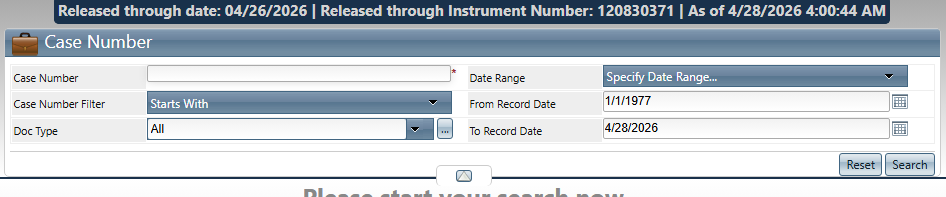
When a case number is not available, users can type a party name. This includes:
- Plaintiff names
- Defendant names
- Business entities
- Attorneys involved
Name-based searches may produce multiple results. In such cases, search filters help refine the output.
Filter options include:
- Filing date range
- Court location
- Case status (open, closed, pending)
- Case category selection
For example, entering “Smith” may return several records. Applying filters like “civil case” or “2023 filings” reduces unrelated matches. Search accuracy improves when full names or correct spellings are used. Partial names still work, but results may include broader listings that require manual sorting.
Select Case Type and Apply Filters
After entering search details, the next step focuses https://apps.sheriff.org/arrestsearch on selecting the correct case type and applying search filters. This part of broward county fl case search helps refine large result lists into relevant records.

The system allows users to choose from multiple categories, such as:
- Criminal case records
- Civil filings
- Family-related cases
- Traffic violations
- Probate matters
Selecting the correct category helps the system filter unrelated entries. For example, choosing “criminal” removes civil and traffic cases from results.
Search filters also play a major role in narrowing down records. Common filters include:
- Filing year
- Court division
- Judge name
- Case status
- Hearing dates
These filters help users focus on specific record sets. For example, a search for “civil cases from 2022” will remove older or unrelated filings.
View Results and Record Retrieval
The final step in broward county fl case search involves reviewing search results and selecting the correct record for detailed information. The system displays a list of matching cases based on the entered data and applied filters.
Each result usually includes:
- Case number
- Party names
- Filing date
- Case type
- Current status
Users can click on a case entry to open detailed case information. This section may include court filings, hearing dates, motions, and case history.
How Broward Court Case Search Works
The Broward County court case search system works by collecting case details from court filings and storing them in a structured database. Users can view these records through the Broward County, FL, court case search system, which reflects updates from the Clerk of Court records. This system runs through organized data entry, official review, and structured indexing. Each case moves through multiple stages before it becomes visible in the public record search system.
Court Case Data Entry into System
Court case information starts with data entry after a legal filing is submitted. Court staff record details such as party names, case type, filing date, and case number. This information enters a centralized court database indexing system. The workflow follows a structured legal filing workflow that supports consistency across all case types. Once entered, the data becomes part of the county’s official court records database.
Elements recorded during data entry include:
- Case number and filing date
- Plaintiff and defendant details
- Case category (civil, criminal, family, traffic)
- Court location and assigned judge
- Document filings and updates
After entry, the system assigns a tracking record that links all future updates to the same case file.
Clerk of Court Role in Record Management
The Clerk of Court plays a central role in maintaining accuracy within the system. This office reviews, verifies, and organizes all incoming case information before it becomes part of public records. The Clerk also manages updates when new filings occur. Each change is recorded and attached to the correct case file through the docket system.
Main responsibilities include:
- Reviewing submitted legal documents
- Confirming case details before entry
- Updating case status changes
- Managing corrections in case records
- Coordinating public record availability
This structured process keeps records consistent across all departments. It also reduces errors that could affect case tracking in the system.
Case Indexing and Docket System Structure
Once case data is verified, it moves into the court database indexing system. This stage organizes cases so they can be retrieved using search tools. Indexing connects each case to identifiers like case number, party name, and filing type. The docket system then tracks every action within the case. Each motion, hearing, or filing is added as a timestamped entry. This creates a full timeline of the case history.
How indexing and docket tracking work:
- Case data is categorized by type and jurisdiction
- Each record is assigned searchable identifiers
- All filings are linked to the original case file
- Updates are added in chronological order
- Public search results reflect real-time updates
This structure supports the broward county fl court case search function, allowing users to check case details through organized filters.
Understanding the Docket Search System
A docket search system shows a structured list of events and filings tied to a court case. It works like a running log that tracks each action taken during legal proceedings. This system helps users follow case progression tracking through dates, filings, motions, and court actions in a clear sequence.
What a Docket Represents in Court Records
A docket is a chronological record that lists every action in a court case. It does not store full documents. Instead, it shows short entries that summarize what happened and when it happened.
Each entry in a docket may include:
- Filing dates of motions or petitions
- Hearing schedules set by the court
- Orders issued by a judge
- Updates from attorneys or clerks
- Case status changes during proceedings
This format supports court timeline tracking, giving a step-by-step view of how a case moves through the system. A docket search helps users quickly see the sequence of legal events without reading full case files.
Difference Between a Docket and a Case Record
A case record contains complete legal documents, while a docket only shows summarized entries. Both work together but serve different purposes.
Differences include:
| Feature | Docket | Case Record |
|---|---|---|
| Content Type | Short entries | Full documents |
| Purpose | Track case events | Store legal filings |
| Detail Level | Basic summaries | Full legal details |
| Use Case | Case progression tracking | Evidence and filings review |
A docket search focuses on movement within a case. It shows what has happened and what is scheduled next. A case record provides deeper legal content, such as petitions, affidavits, and rulings.
How to Track a Case in Broward County
Case tracking in Broward County lets users review legal progress updates, upcoming court hearing timeline details, and filed motion activity. The system shows case status updates so users can follow each stage of a court matter. It supports consistent case monitoring across civil, criminal, and traffic records. Case tracking in Broward County works through online court record systems, where case numbers return detailed legal progress updates. Users can review hearing dates, filing history, and motion activity from one record page. This supports clear case monitoring without visiting the courthouse.
Case Status Updates in Broward County Case Tracking
Case status updates show the current stage of a legal matter inside the Broward County court system. These updates reflect whether a case is open, closed, pending, or scheduled for review. Each status change comes from court actions entered into the record system.
Users reviewing case monitoring data can follow these common status types:
- Active case – matter is ongoing with scheduled actions
- Closed case – court process has finished
- Pending review – judge or clerk review still in progress
- Dismissed record – case removed from active docket
Each update connects with legal progress updates entered by court clerks. These entries help users see movement in the case timeline without delay. Case tracking systems often refresh records after hearings or filings.
Court Hearing Dates and Case Timeline Tracking
Court hearing timeline data shows scheduled appearances, past hearing records, and future court dates. Broward County court systems display this data in a structured calendar format linked to each case file.
Hearing schedules often include:
- Initial appearance dates
- Pre-trial hearings
- Motion hearings
- Trial dates
- Status conferences
Each entry connects with court hearing timeline records maintained by the clerk’s office. Users can check updated schedules to follow the case progress step by step.
| Hearing Type | Description |
|---|---|
| Initial Hearing | First court appearance |
| Motion Hearing | Judge reviews filed motions |
| Pre-Trial Hearing | Case preparation before trial |
| Trial Date | Final court hearing stage |
Case tracking systems may adjust dates if court calendars change. Updates appear when judges reset or reschedule hearings. This keeps legal progress updates aligned with current court activity.
Types of Cases You Can Search
A court case search in Broward allows users to view different types of legal records filed in the county court system. These records cover several categories of legal proceedings types handled under the judiciary system classification. The search system organizes cases so users can check criminal, civil, traffic, and family law matters in one place. Each category reflects a different area of law with its own filing process and record structure.
Criminal Cases
Criminal cases involve charges filed by law enforcement or prosecutors. These records show arrests, charges, hearings, and outcomes.
Criminal case records include:
- Felony charges, such as burglary or assault
- Misdemeanor offenses like minor theft
- Court hearing schedules and rulings
- Sentencing details when cases are closed
These records help track how the justice system handles criminal matters from start to finish.
Civil Cases
Civil cases focus on disputes between people, companies, or organizations. These do not involve criminal charges.
Typical civil filings include:
- Property disagreements
- Contract disputes
- Money claims between parties
- Small claims court matters
Civil records show how courts resolve non-criminal conflicts through legal decisions and settlements.
Traffic Cases
Traffic cases relate to road law violations. These are among the most frequently searched records in Broward County.
Traffic case records may show:
- Speeding tickets
- Driving without insurance
- License-related violations
- Court appearances for citations
Many users check these records to review fines, points on licenses, or hearing dates.
Family Law Cases
Family law cases focus on domestic matters handled by the court system. These records are often sensitive in nature.
Family law filings include:
- Divorce proceedings
- Child custody arrangements
- Child support orders
- Adoption records
These cases follow specific court rules due to privacy concerns and sensitive details.
Why Case Records May Not Appear
Case records in Broward County may not always show up during a search. This can happen due to legal restrictions, system delays, or input errors during the search process. Several factors affect whether a record appears in results, even when it exists in the system.
Sealed Cases
Some records are sealed by court order. These cases stay hidden from public view due to privacy or legal protection rules.
Sealed records may include:
- Juvenile cases
- Expunged criminal records
- Protected family matters
- Sensitive legal settlements
These records remain part of the system but are not visible in standard search results.
Delayed Updates
Court systems do not always update records instantly. A short delay can occur between filing and online listing.
Causes of delays:
- Backlog in data entry
- Manual processing by court staff
- System syncing between departments
This delay can create gaps between real-time court activity and online listings, showing data delay in record availability.
Incorrect Spelling
Search results may not appear if names or case numbers are entered incorrectly. Even small spelling differences can affect results.
Examples include:
- Misspelled last names
- Wrong case number format
- Missing middle initials
- Typing errors in party names
Double-checking details often helps improve search accuracy.
Recent Filings
New cases may take time before they appear in the system. Fresh filings often go through verification before becoming visible.
This situation is common in:
- Newly submitted criminal complaints
- Fresh civil petitions
- Recent traffic citations
- Newly opened family law cases
During this stage, restricted access or court confidentiality rules may also apply until processing completes.
Broward Clerk of Court Role
The Broward Clerk of Courts acts as the main custodian of court-related information within the county legal system. This office manages case files, preserves official records, and supports public reporting of court activity. It works as a court administration hub, a legal record keeper, and a filing authority for all case-related documents. The role connects the public, attorneys, and judges with organized case data. It also keeps records accurate, updated, and properly stored for legal use.
Core Responsibilities of the Clerk’s Office
The Clerk of Court performs several structured duties linked to the judicial process:
- Receives and files legal documents submitted to the court
- Maintains civil, criminal, family, and traffic case records
- Records court hearings, rulings, and judgments
- Processes fees, fines, and court-related payments
- Issues certified copies of official documents
Each function supports order within the county’s legal system. The office acts as a central filing authority that keeps all case materials organized and traceable.
Record Maintenance System
Record maintenance plays a major role in daily operations. The office stores both physical files and digital entries tied to court activity. Each case receives a unique number that helps track updates over time.
Record functions include:
| Record Type | Description |
|---|---|
| Case Files | Full documentation tied to lawsuits or charges |
| Court Orders | Official rulings issued by judges |
| Hearing Notes | Records of courtroom proceedings |
| Docket Entries | Timeline-based updates for each case |
This structured record system supports accuracy and consistency across all case data.
Public Information System Role
The Clerk’s office also manages public-facing case information tools. These systems present selected case details such as hearing dates, case status, and docket activity. This supports transparency within the local judicial structure while keeping sensitive information restricted when required by law.
Case Search vs Court Records vs Docket
Case search, court records, and docket entries serve different roles within the legal system structure. Each one represents a distinct form of legal data classification used within Broward County courts. Case search works as a lookup function. Court records contain full legal documentation. A docket shows the chronological timeline of case activity.
Case Search Tool Function
A case search tool works as a quick lookup system for case identifiers. It helps locate basic case information using names, case numbers, or filing dates.
Results from a case search include:
- Case status (open, closed, pending)
- Court location details
- Scheduled hearing dates
- Basic party names
It provides a summary view rather than complete legal files.
Court Records as Full Case Files
Court records contain complete documentation related to a case. These files include official filings, motions, judgments, and supporting evidence submitted during proceedings.
Elements inside court records:
- Petitions and complaints
- Judge orders and rulings
- Evidence submissions
- Final judgments and dispositions
These records form the official archive of legal activity and support long-term legal reference.
Docket as Case Timeline
A docket acts as a chronological log of case events. It records each action taken from filing to final resolution.
Typical docket entries include:
- Filing date of the case
- Scheduled court appearances
- Motions submitted by parties
- Court decisions and updates
The docket helps track how a case moves through the judicial process step by step.
(FAQs) About Broward County Case Search
Case-related questions for Broward County, FL case search usually focus on name-based lookup, data cost, update timing, and tracking options. The court system provides structured public records through official filings that respond to legal queries under court rules. Below are clear answers that help users review case information in a simple way.
How to find a case by name in the Broward County, FL case search?
A name search in Broward County case records allows users to locate civil or criminal matters using a party’s full or partial name. The system matches entries based on spelling, aliases, and recorded identifiers linked with filings. Results may include multiple matches, so filtering by case type or date helps narrow down records. Each entry may show case number, filing date, and court location. Because similar names can appear in court data, careful input improves result accuracy. Court records follow structured legal queries that organize information based on filing history.
Is case search free in Broward County, FL?
Basic case lookup in Broward County is free for public viewing through official court record systems. Users can view general case details without payment, including status, parties, and docket updates. However, certified copies or official documents may require court fees depending on the request type. Free records usually cover summary-level information rather than full case files. This system supports public record transparency under court access rules. Fee-based requests apply only when formal documentation is needed.
How often is court case data updated?
Court case information in Broward County is updated regularly based on filing activity and court processing schedules. Many records appear within a short time after being entered by court staff. Updates may happen daily for active cases, especially civil and criminal filings. Some records may take longer if they require review or verification. Hearing results and case status changes are added after official court actions. Because updates depend on court workflow, timing may vary across different case types.
Can criminal cases be tracked online?
Criminal cases in Broward County can be monitored through public court record systems that show case progress and hearing schedules. Users may view charge details, court dates, and case status updates. This information helps track how a case moves through the legal system under official court procedures. Some records may be limited due to privacy rules or sealed status. Active cases usually show more frequent updates compared to closed ones. Court data follows legal rules that determine what information appears in public view.
Can case records show attorney or court appearance details?
Case records in Broward County often include attorney information and scheduled court appearances linked to each filing. Users may see names of legal representatives tied to both civil and criminal matters. Court appearance dates, hearing times, and courtroom locations are also listed in many public entries. This data helps track how a case progresses through each stage of the court process. However, some records may hide details if they fall under restricted legal categories. Information availability depends on court rules and case sensitivity under public record policies.